How to find bestselling print on demand design ideas (without copying).
Bestsellers sell because of the idea, not just the look. Keep the reason people buy, then turn it into something entirely your own. Coming soon, 3Edit will bring that thinking into one creative flow.
A bestselling design is a clue to what people want to buy. The useful part is the idea behind it: a shared joke, a quiet worry turned into pride, a gift that feels personal. That reason can inspire something entirely new.
By hand, the process is Spot, Understand, Reinvent: research products, decode each design, then write 20 or more concepts before making the strongest ones. It works. But collecting evidence, finding the reason and filling that page can take hours.
Our research guide covers finding designs on eBay, Etsy and Amazon. Here is what happens next — and how the coming Print on Demand Design Decoder in 3Edit will bring that work together.
Spot: find evidence, not just a nice picture
The traditional route starts with 10 to 20 designs. You look for a shop with very many reviews and a design among its top sellers, a product with thousands of reviews, or a shop’s own best-selling sort. A badge is a clue to investigate, not a promise that your version will sell.
For each one, you save a screenshot or product link and note the buying signal. Gathering that evidence is the first part of the work. See the marketplace research guide for the signals to look for.
Understand: name the reason people buy
Next, you separate the style, the picture and the words. Then you finish one sentence: “People buy this because…” The answer should be about people, rather than simply describing the artwork.
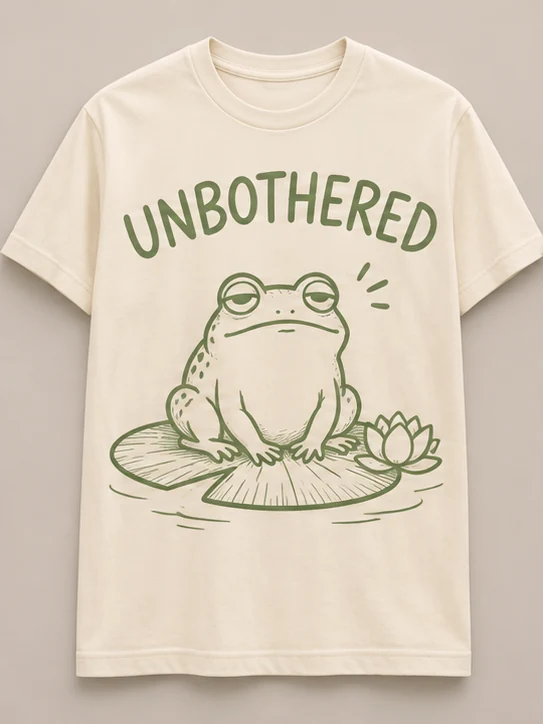
A sleepy frog over “Unbothered” is not just a frog design. It lets someone wear a calm mood they want to feel. That is the useful insight — and it takes thought to find it for every design.
Reinvent: a new idea for a different buyer
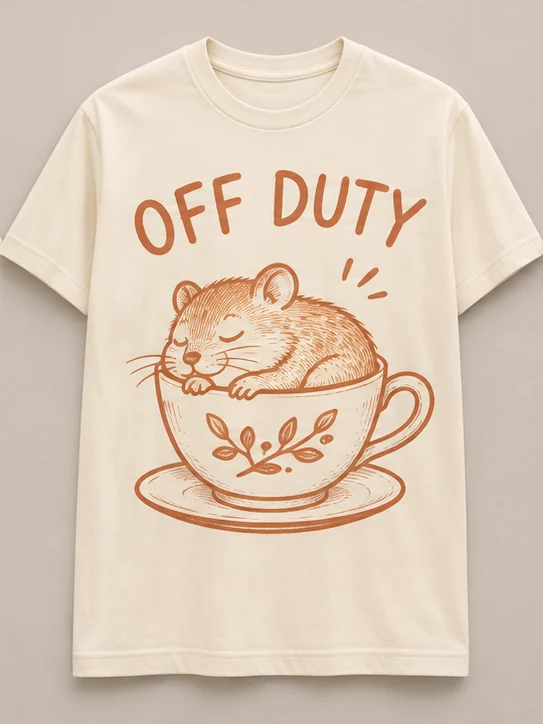
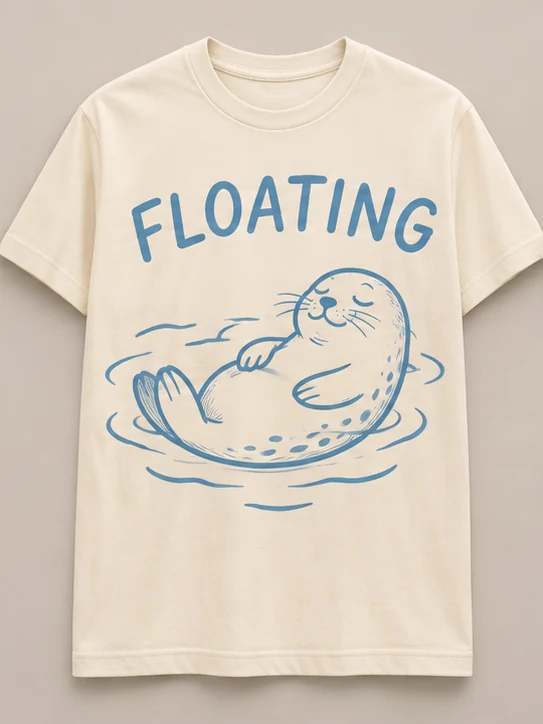
With the original put away, you ask who else would buy for the same reason. A teacher might choose a dormouse asleep in a teacup, “Off duty”. A swimmer might choose a floating seal. The subject, wording and composition become new.
The aim is a new audience and a new concept. A colour change or a swapped word only produces another version of the original.
By hand, that means writing 20 or more concepts
In the traditional method, you write a page of one-line briefs before designing: who each idea is for, what it shows and what it says. The first ideas tend to be obvious; writing 20 or more gives you more to choose from.
One honest to-do-list joke might become a cyclist’s café stops, a reader’s “buy more books”, a teacher’s missing red pen or a camper’s marshmallow-first packing list. Each needs its own words and visual idea. This is the slow creative work the Decoder is being designed to help with.
Then you choose what is worth making
You narrow the list to three to five concepts: clear at a glance, recognisable to their niche, far from the starting design and suited to a T-shirt, mug or tote. Every slogan still needs a trade mark check.
Five worked examples: best selling t-shirt design ideas, reinvented
Here are five starting designs invented for this guide, each followed by three new concepts from the original examples. These are original illustrations, not real bestseller listings or sales claims. Only the reason to buy carries across.
Illustrations on this page were created with AI for this guide.
Different subjects, words and compositions; the same human reason. That is the difference between a fresh concept and a copy.
Personal gifts are especially flexible. In 3Edit your customers can add their own name, date or number to a product, with a live preview.
These are illustrative concepts, not cleared slogans. Check any phrase you plan to sell against the trade mark registers below.
01 / A worry becomes a badge of belonging
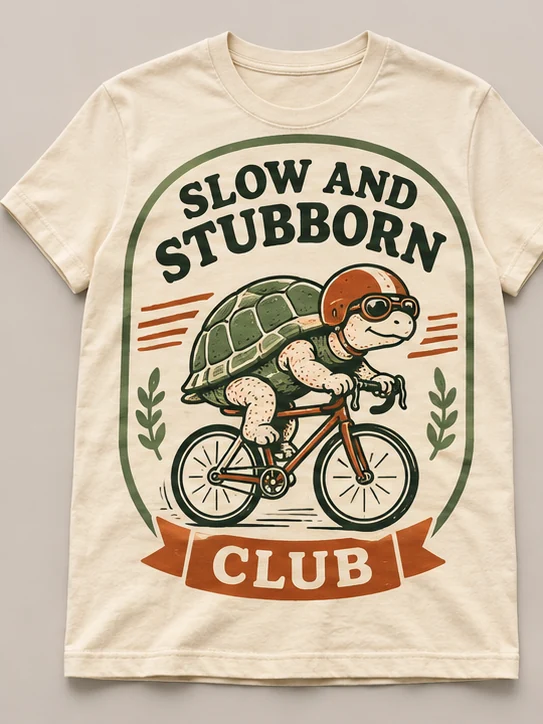
Why it works It turns ‘I’m too slow to belong’ into a proud membership badge.
The starting ideaInvented starting point
Tortoise on a racing bike: Slow and stubborn club
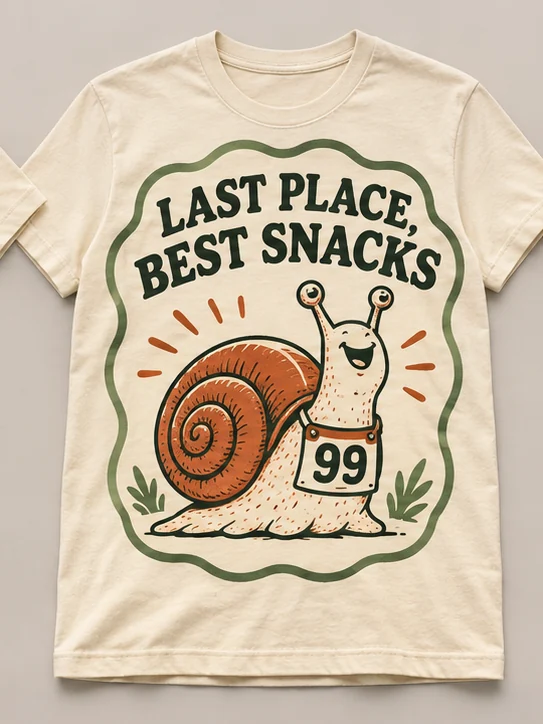
A new conceptRunners
Snail wearing race number 99: Last place, best snacks
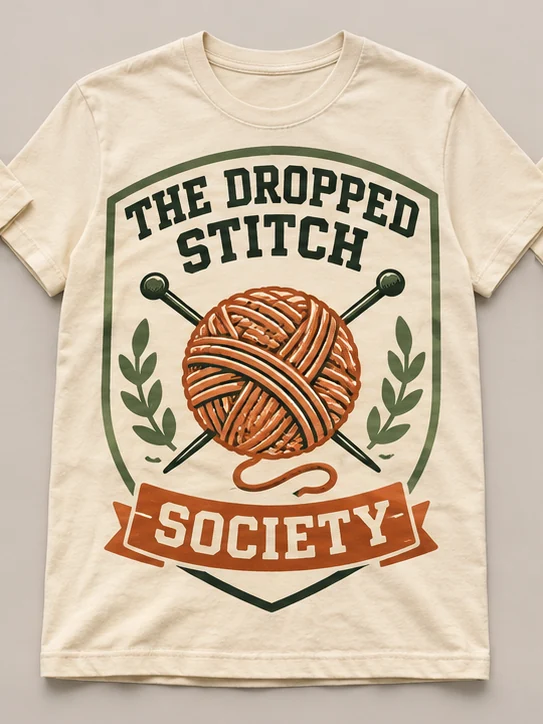
A new conceptNew knitters
Ball of wool and needles: The dropped stitch society
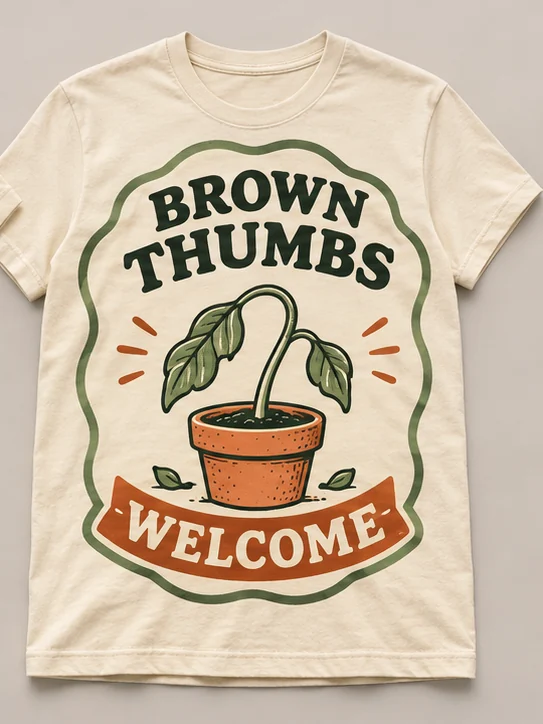
A new conceptBeginner gardeners
Wilting seedling: Brown thumbs welcome
02 / A harmless failing becomes a shared joke
Why it works A small confession makes the buyer smile and think: that’s me.
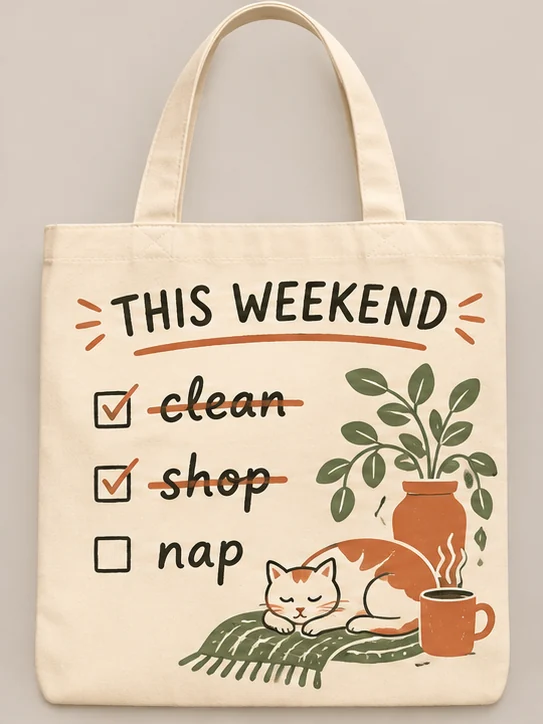
The starting ideaInvented starting point
This weekend to-do list with clean and shop crossed out, leaving nap
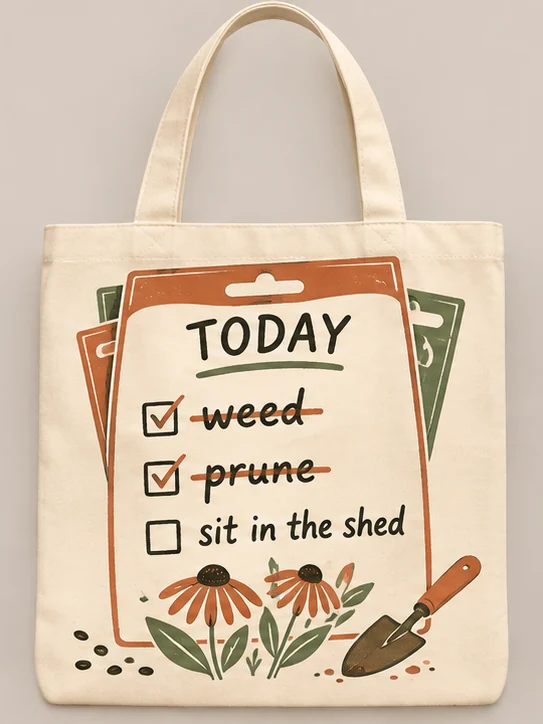
A new conceptGardeners
Today list with weed and prune crossed out, leaving sit in the shed
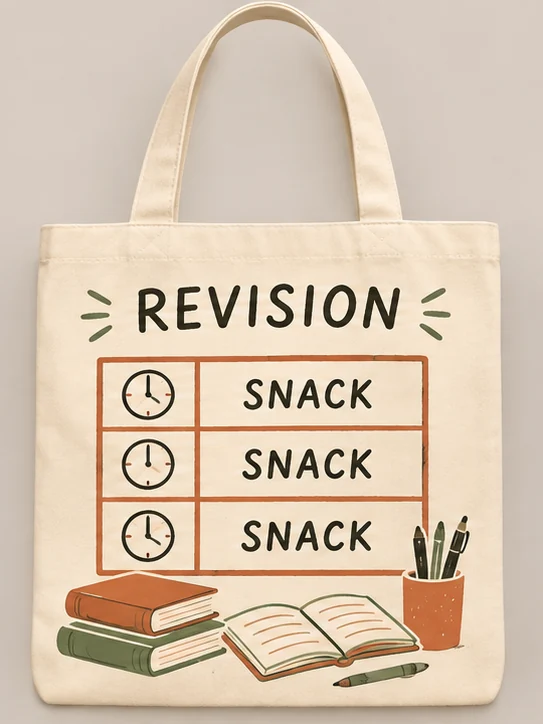
A new conceptStudents
Revision timetable where every slot says snack
A new conceptRunners
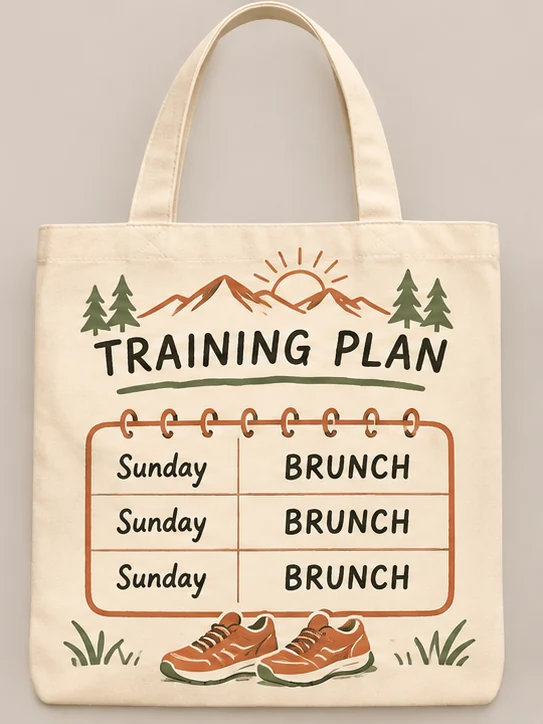
Training plan with Sunday brunch in every row
03 / A serious chart lets insiders in on the joke
Why it works A familiar reference format hides a truth only the hobby’s insiders recognise.
The starting ideaInvented starting point
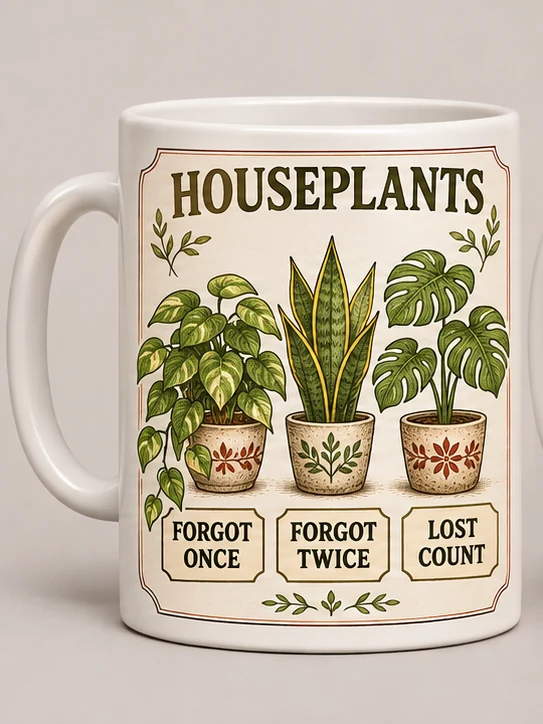
Botanical houseplant chart labelled Forgot once, Forgot twice and Lost count
A new conceptHome bakers
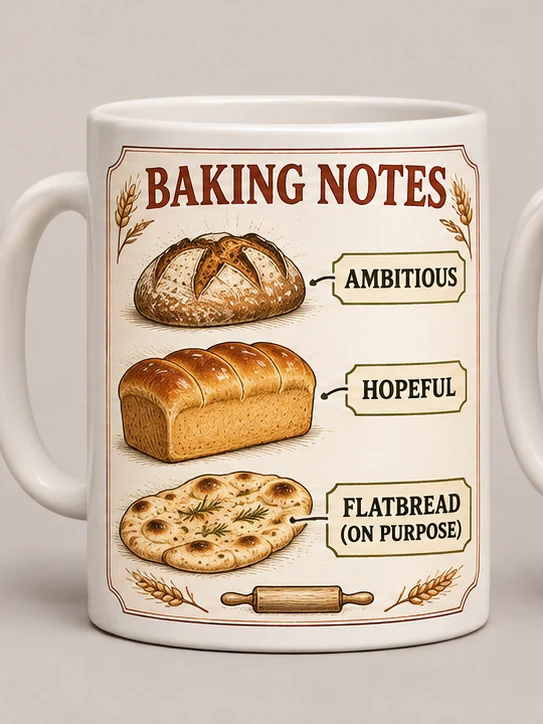
Loaf chart: Ambitious, Hopeful and Flatbread (on purpose)
A new conceptBirdwatchers
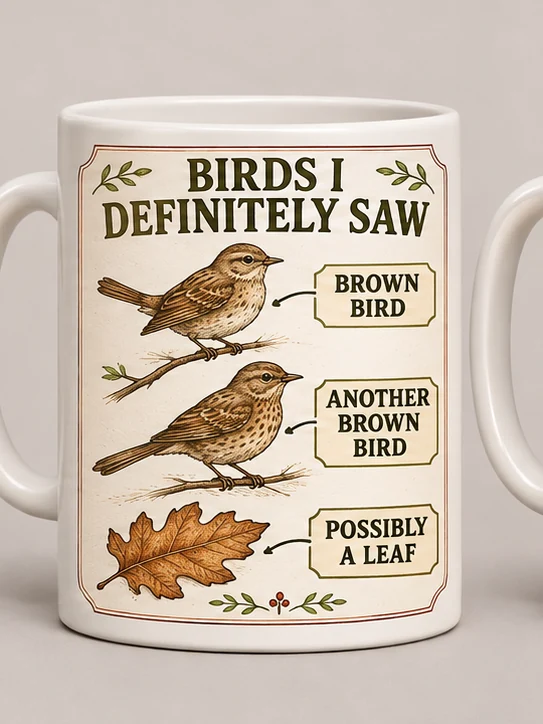
Birds I definitely saw: Brown bird, Another brown bird and Possibly a leaf
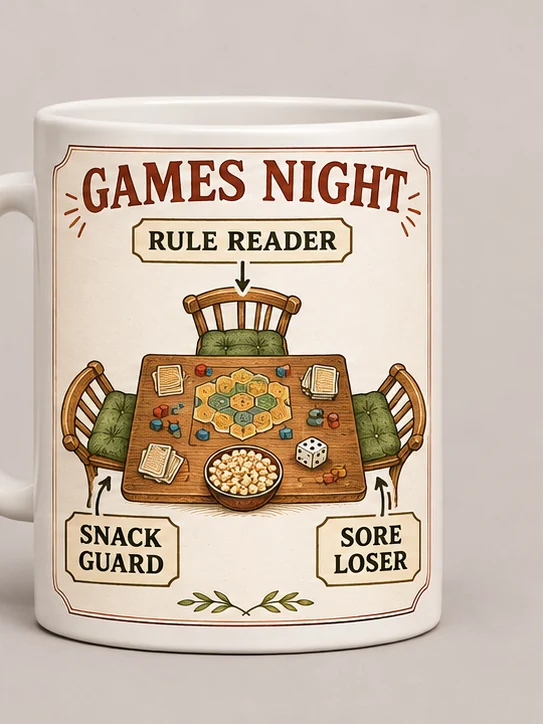
A new conceptGames nights
Games night seating diagram: Rule reader, Snack guard and Sore loser
04 / A simple picture becomes a mood to wear
Why it works The buyer wants to carry a feeling into their day: calm, rest or a little breathing room.
The starting ideaInvented starting point
Sleepy frog on a lily pad above Unbothered
A new conceptTeachers
Dormouse asleep in a teacup: Off duty
A new conceptSwimmers
Seal floating on its back: Floating
A new conceptNew parents
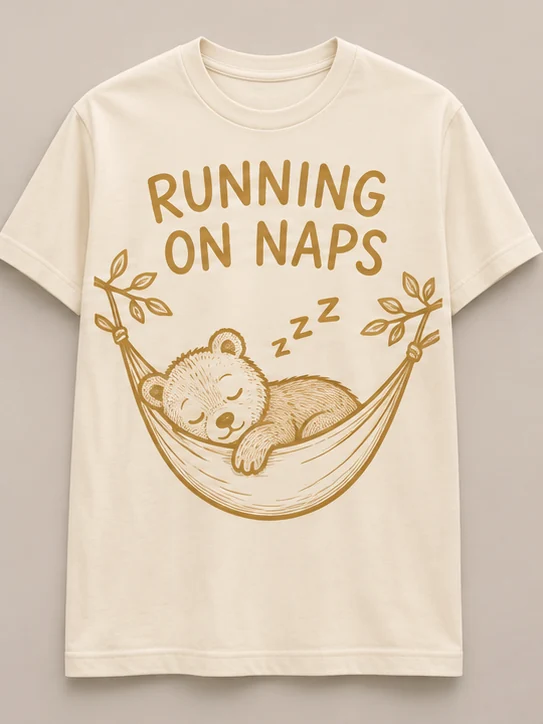
Sleepy bear cub in a hammock: Running on naps
05 / A personal detail makes a gift feel made for them
Why it works A name, date or number turns a familiar role into something official and personal.
The starting ideaInvented starting point
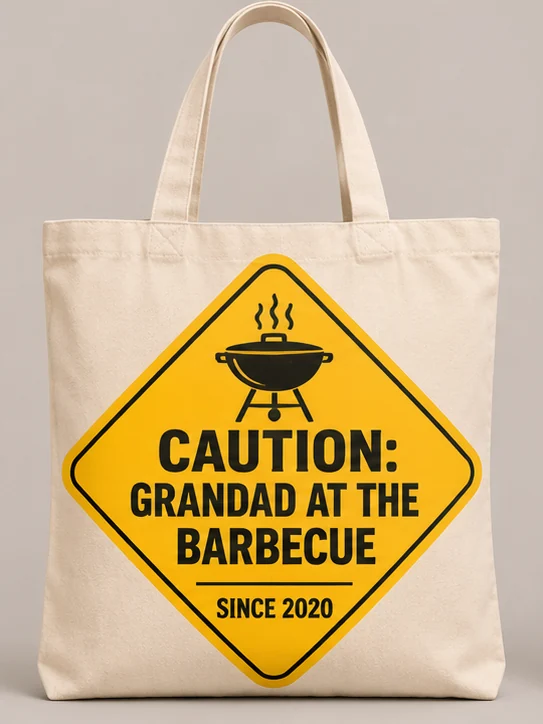
Road sign: Caution: Grandad at the barbecue, since 2020
A new conceptAllotment holders
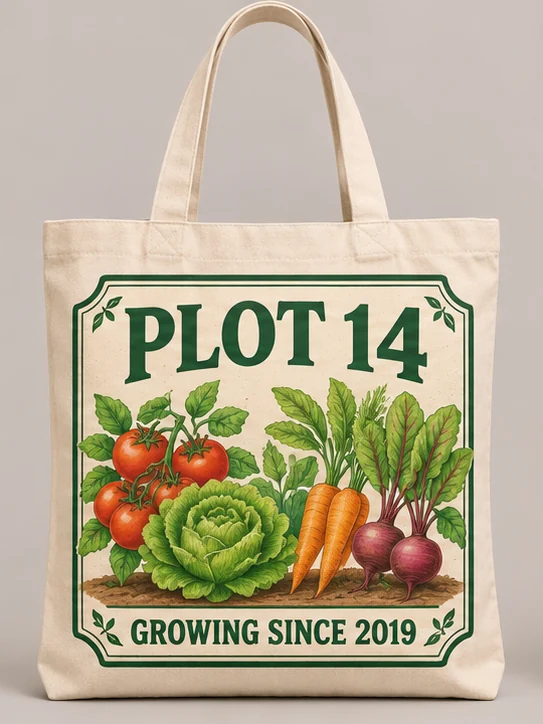
Seed packet: Plot 14, growing since 2019
A new conceptDog owners
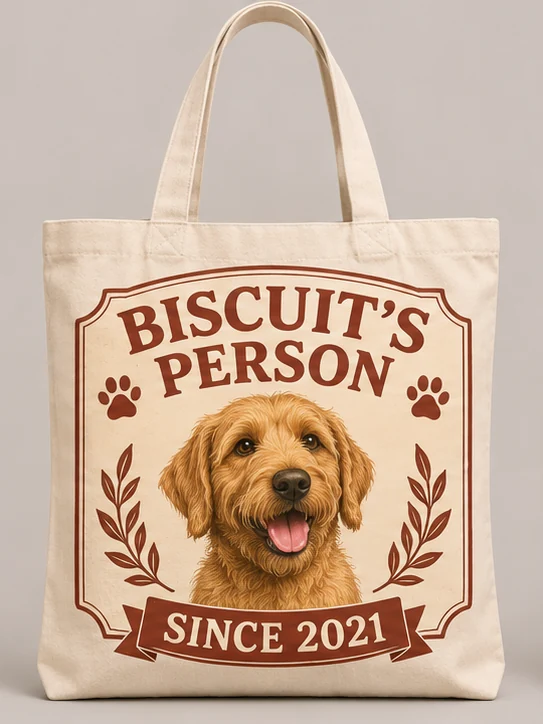
Dog licence: Biscuit’s person since 2021
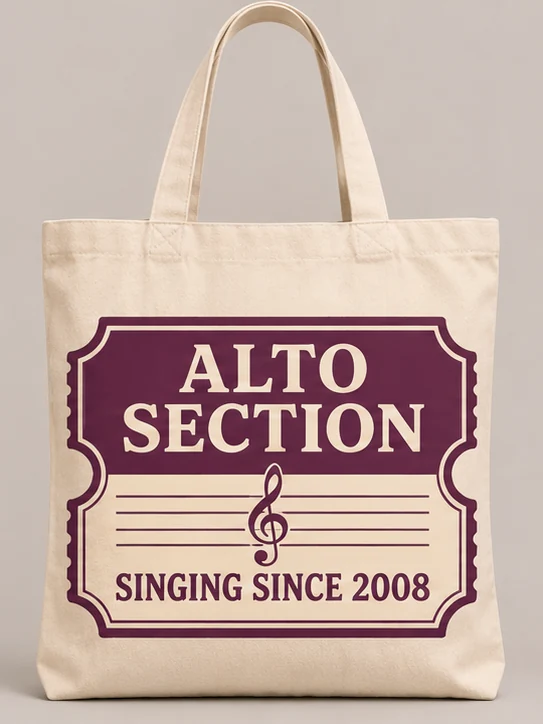
A new conceptChoir members
Concert ticket: Alto section, singing since 2008
Now imagine doing all of that in a minute.
Coming soon: the Print on Demand Design Decoder in 3Edit. One screenshot or product link will become the starting point for understanding the idea, exploring new concepts and creating designs for your products.
3Edit will explain why the design sells in plain words, write many fresh concepts for your niche, then create the designs, ready for products. The promise: hours of research and blank-page thinking, brought into one creative flow.
The visual below previews the planned experience. The Print on Demand Design Decoder is coming soon to 3Edit.
Coming soon
Print on Demand Design Decoder
Preview · planned experience
01 / Drop in a screenshot or link
↗ Product link or screenshot
02 / Understand why it sells
✧It sells a feeling.
A calm animal lets the buyer wear the mood they want to feel.
Keep the reason
03 / Explore concepts for your niche
New audiences. Fresh ideas.
TeachersDormouse in a teacup “Off duty”
SwimmersA seal on its back “Floating”
New parentsBear cub in a hammock “Running on naps”
04 / Create designs for products
Your own ideas, ready for products.
Illustrative preview, not a working interface. The Decoder is coming soon to 3Edit. Original artwork and slogan checks remain part of making a product.
While the Decoder is on its way
You can already turn your own concept into a product with the existing 3Edit tools. The coming Decoder will bring the understanding and concept-writing into that flow too.
Or start from a ready-made design. The 3Edit design gallery has thousands of print-ready designs by theme, style and garment colour, to build your own idea on.
Get a sharp print. The print quality guide explains file sizes, colours and what to check before you order.
Price it for profit. The profit calculator shows what you earn at each price.
The rule stays the same: keep the reason
Whether you work by hand or use the coming Decoder, learn from the human reason to buy, then create your own subject, words and visual treatment. Inspiration is a starting point for your thinking, not permission to reuse someone’s artwork or slogan.
Stay on the right side: inspiration, never copying
Bestsellers are for learning why people buy, never for borrowing what someone else made. Keep to these simple rules:
Use bestsellers as inspiration only. Never copy a design or a slogan, and never trace, redraw or slightly change one.
Leave out brands, characters and real people: brand names and logos, characters from films, TV, games and books, celebrities, famous quotes and song lyrics.
Trade marks can protect words and short phrases, not just logos. A slogan you write yourself may still be registered by someone else.
Marketplaces remove listings that break these rules, and repeated problems can close a shop. A new idea keeps your shop safe and your designs your own.
Learning why a design sells is ordinary market research, and the reason behind it belongs to nobody. What you may not do is copy: the artwork, words and look of a design belong to the person who made it, and brand names, characters and registered trade marks are protected. Keep only the reason and make everything else new. This guide is general information, not legal advice.
Inspiration keeps only the reason a design sells and builds something new on it. Copying keeps the design: its subject, its words or its look, even with a changed colour or a swapped word. A simple test: if someone could put your design next to the original and say it is a version of it, start again.
Ten to twenty is plenty to start. Collect them from your own niche and from others, without judging them, then take each one apart. Two or three strong reasons can fill a whole collection.
Drop it or change it until it is clearly your own: a different subject, different words and a different look. Writing 20 or more concepts makes this easy, because you always have others to choose from.
Yes, every one, before you sell it. Short phrases can be registered as trade marks, even ones you thought of yourself. Search the UK trade mark register and the US trademark register for each phrase; the beginner’s guide shows how.
Look for strong signals: shops with very many reviews, products with thousands of reviews and brands’ own best-selling sorts. Our research guide walks through eBay, Etsy, Amazon and Google Trends step by step.
The Print on Demand Design Decoder is coming soon to the 3Edit Print on demand app. Until then, this guide’s three steps let you do the same work by hand, and every concept you write is ready to design in 3Edit today.
Coming soon to 3Edit
From “why does that sell?” to your next collection.
The Print on Demand Design Decoder will turn a screenshot or product link into an explanation, fresh concepts for your niche and designs ready for products.
 EDIT